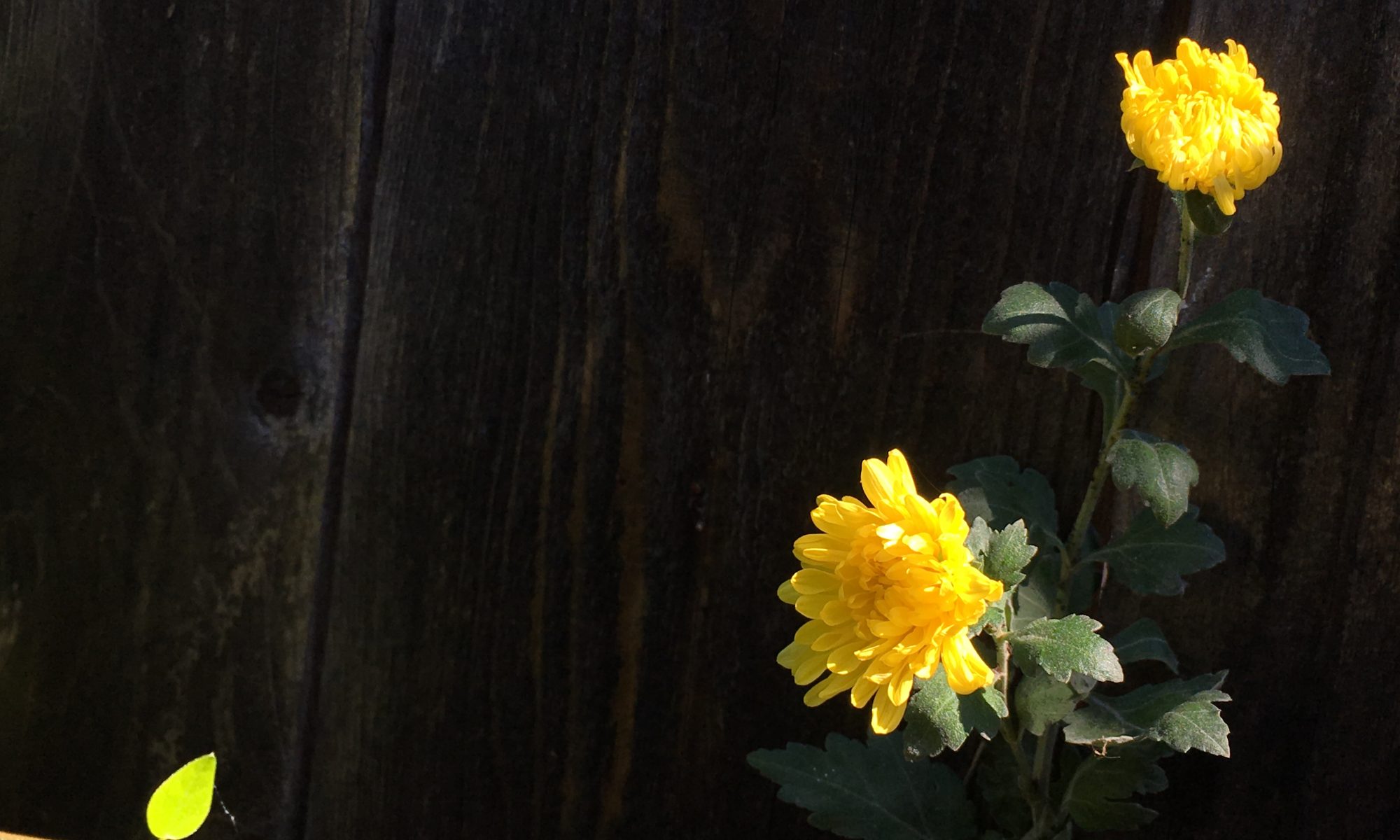

Từ lúc nào mai bước vào đời sống tôi. Mỗi cuối năm, ngày cận Tết, thế nào trong nhà cũng có một nơi thật trang trọng cho gốc mai. Thường thì ngay góc nhà, nơi có bộ bàn ghế để tiếp khách.

Cứ nhiều năm như thế, không nhớ từ bao giờ Tết với tôi là nụ mai. Tết với tôi là được theo ba đi lựa gốc mai. Gốc phải thật to cứng mạnh, cành phải thật mảnh thon gầy, dáng phải thanh mềm mại và nụ phải xanh mướt
Có một năm hai cha con đi đốn mai, vườn mai trên Thủ Đức, nhà bạn của ba. Gọi là vườn không đúng lắm, khu đất ấy rất rộng, lại gần khu quân sự nên trở thành đất hoang, mai mọc như rừng. Những thân cây nhìn như khô mục, màu nâu, lá còn lá mất, bạn ba nói: “phải chọn những thân to, tuổi cây đã chín, nhìn những kẽ nứt nụ để đoán hoa đẹp hay không ?” Hai ông nói chuyện, tôi ngây người nhìn chung quanh, cây khô héo cách chi bung hoa ngày Tết. Thế mà năm ấy nhà tôi có cây mai đẹp không sao tả được. Trong chiếc lục bình cao gần đến ngực tôi, cành mai vươn đụng trần nhà, nụ ơi là nụ, những chùm nụ xanh biếc. Được uống đủ nước, nụ mai mỗi ngày mỗi căng mọng. Ngày nào ba tôi cũng xăm soi ngắm nghía, ông cho chị em tôi treo vài phong bao lì xì màu đỏ lên nhánh thấp nhất, ông mời các bác hàng xóm cùng sang ngắm nghía với ông. Ngày gốc mai được chở về nhà, hàng xóm ai cũng thích, ai cũng ước ao có một gốc mai khỏe như thế.
Ngày ba mươi tháng chạp, tất cả nụ mai như hẹn nhau, cùng nở mừng Xuân hay sao mà màu vàng đã nhô ra khỏi nụ. Dù nôn nao áo dài mới, hài cườm tôi vẫn không quên ghé mắt thăm chừng những chiếc nụ con con ấy.
Giao thừa thoang thỏang hương trầm, se se gío lạnh lùa qua khung cửa, không gian lặng im chờ đón, những nụ mai len lén nở bung. Từ dưới gốc, trên nhành cao, màu vàng rực rỡ yêu kiều ngự trị. Hoa vàng mười cánh, mười hai cánh, hoa bé nhất cũng tám chín cánh, những nụ mai chưa nở không tỏ vẻ gì xấu hổ, lại còn ngạo nghễ hơn nữa như hẹn hò đợi ngày khoe sắc, xem ai thắm hơn ai? Gốc mai năm ấy, màu mai năm ấy đẹp như chiếc áo lụa vàng tôi khoác lên người đêm trừ tịch. Chiếc áo lụa vàng có hoa văn lá trúc.
Nhớ một mùa Xuân không còn ba tôi nữa, vẫn áo lụa vàng hoa văn lá trúc, sáng mồng một Tết cùng anh xuất hành đón Xuân. Mùa Xuân năm ấy lặng lẽ ngủ vùi ảm đạm, không pháo không hoa, không bánh chưng xanh không dưa hấu đỏ, người người buồn bã chuyện chia ly, tù tội, mất còn. Vườn chùa vắng vẻ, tiếng chuông mõ thảng hoặc gióng lên vội vã, vài con bướm ngẩn ngơ tự hỏi, người xưa đâu, Xuân xưa đâu ? Lặng lẽ cội mai già chết mục trong góc sân cố nở vài hoa. Hình ảnh đóa mai ấy luôn ẩn hiện trong ký ức của tôi. Từ gốc mai đã chết, một nhành thật mong manh xót lại, nở hoa. Trong tột cùng tuyệt vọng, hy vọng vẫn ươm mầm.
Hôm nay, hơn nửa vòng địa cầu, người ta đang ngóng chờ một ngày Xuân. Sự ngóng chờ biểu hiện qua những quảng cáo về những chương trình hội Xuân đi chung với các chương trình văn nghệ. Những bài hát Ly Rượu Mừng, Xuân Ca, Xuân Họp Mặt lại được phát thanh vang vang, mỗi năm lòng tôi mỗi nhạt nhòa đi hình ảnh cũ xưa dù nhớ nhung vẫn còn phảng phất.
Tôi và chắc chắn nhiều người khác nữa đã tìm kiếm gốc mai xưa, tìm kiếm lại những hồi ức quá khứ, từ những lá rau thơm đến cả những hoa những lá biểu trưng về quê mẹ xa vời, Mai Lan – Cúc – Trúc. Cách đây chục năm mai là mai tứ quý, lá nhỏ hoa rũ, màu vàng nhạt, sau khi hoa tàn là trái có hình như chú chuột Mickey. Mai bây giờ đã là Mai Việt-Nam kiêu hãnh ngước mặt lên trời, nhiều cánh vàng tươi.
Tôi nhớ tôi đã ươm Mai bằng hạt nhớ, hạt hòai niệm, hạt chờ mong. Chiếc hạt con con màu đen bé bỏng, gói trong chiếc phong bì, gởi đến tôi từ quê cha đất mẹ. Tôi trân trọng ươm hạt trong đất tạm dung, hạt nẩy mầm. Mùa lạnh tôi mang hạt vào nhà sưởi ấm, gío bão tôi mang hạt trốn bão cùng tôi. Ngày cây mai non xuất hiện tôi sung sướng biết bao. Ba năm dài đằng đẵng đợi chờ, cây vẫn gầy gò, lá vẫn mong manh yếu đuối. Năm thứ tư, tôi lảy lá dù cây chỉ vài tấc cao, lạ lùng sao cây tặng tôi bao nhiêu là nụ.
Tôi run rẩy uốn cành, tôi hân hoan bón gốc, mai của quê hương đã đến cùng tôi. Hoa không vàng như nắng Sài-Gòn, cũng đủ an ủi tôi nơi xứ lạ, gốc mai chưa đủ già để khoe gân khoe guốc , nhưng đủ cho tôi biết dù khắc nghiệt đổi thay, mai vẫn tràn đầy sức sống. Mai không nở đúng ngày Tết mặt trăng, hoa theo thì theo mùa Xuân mới, mai vẫn là mai của tôi trong ký ức, đóa mai năm cánh, sáu cánh đơn sơ rạng rỡ ngày nào, đua sắc với hồng với đào xứ lạ. Mai trong tôi vẫn yêu kiều dáng ngọc năm xưa.
Năm nay Mai buồn mai đông đá, không thấy nụ đâu.
For many years now, I don’t remember when exactly, Tet for me has always been the apricot blossom. Tet for me means going with my father to choose a good apricot tree. The tree must be strong and sturdy, the branches must be delicate and slender, the shape must be graceful, and the buds must be a vibrant green.
One year, father and I went to cut apricot trees in a garden in Thu Duc, a friend’s place. Calling it a garden isn’t quite right; the land is vast, near a military area, so it had become vacant land, and the apricots grew like a forest. The tree trunks looked dry and decayed, brown, with leaves scattered here and there. Father’s friend said, “You must choose the large trunks, the ones that have matured, and examine the cracks in the buds to predict whether the flowers will bloom beautifully.” The two men were talking, and I stood there, blankly staring at the surroundings. How could such dry trees bloom during Tet? Yet that year, our house had the most beautiful apricot tree, beyond description. In the tall vase that reached up to my chest, the apricot branches reached up to the ceiling, with buds everywhere, bunches of vivid green buds. With enough water, the buds grew plump and swollen every day. Every day, father would carefully inspect them, and he would ask my siblings and me to hang a few red envelopes on the lowest branches. He also invited the neighbors to come and admire it with him. On the day the apricot tree was brought home, everyone in the neighborhood liked it, and they all wished they had an apricot tree as healthy as that one.
On the thirty-first of December, all the apricot buds seemed to have made a silent agreement, blooming together to welcome the Spring, with the yellow petals just peeking out from the buds. Even though I was eagerly waiting for my new ao dai (traditional dress) and my beaded slippers, I still couldn’t help but glance at those little buds.
On New Year’s Eve, the incense scent lingered, and a chilly breeze would slip through the window, the space around us was still, waiting for the new year to arrive. The apricot buds gently bloomed. From the base to the high branches, brilliant yellow flowers, delicate and graceful, took their place. The flowers, ten-petaled, twelve-petaled, with even the smallest flowers having eight or nine petals, and the unbloomed buds didn’t seem shy at all. They looked proudly like they were waiting to show off their beauty, competing with one another to see who could be the most vibrant. That apricot tree, that year’s flowers, were as beautiful as the golden silk dress I wore on the night of Tet, the golden silk dress with bamboo leaf patterns.
I remember a Spring when my father was no longer with us. I still wore the golden silk dress with the bamboo leaf patterns. On the first day of Tet, my brother and I went out to greet the new year. That Spring was quietly gloomy, with no fireworks, no flowers, no sticky rice cakes, no red watermelon, and everyone was sad over stories of separation, imprisonment, life and death. The temple garden was quiet, and the temple bell rang occasionally, hurriedly, while a few butterflies fluttered, wondering where the old ones had gone, where the past Spring had gone. Silently, the old apricot tree in the corner of the yard died, trying to bloom a few flowers. That image of the apricot flowers always lingers in my memory. From the dead apricot tree, a fragile branch remained, still blooming. In the deepest despair, hope still finds a way to grow.
Today, halfway across the world, people are waiting for the arrival of another Spring. The anticipation is reflected in advertisements about Spring festivals paired with cultural performances. Songs like “Ly Ruou Mung” (Happy New Year Wine), “Xuan Ca” (Spring Songs), and “Xuan Hop Mat” (Spring Reunion) are broadcast, and every year, the image of the past fades a little more, although the longing still lingers.
I, and many others, have been searching for that old apricot tree, seeking the memories of the past, from fragrant herbs to flowers and leaves that symbolize the distant homeland—Mai Lan (Apricot), Chrysanthemum, Bamboo. Ten years ago, apricots were the “Mai Tu Quy” variety, small leaves and drooping flowers, pale yellow, and after the flowers faded, the fruit looked like a little Mickey Mouse. Now, apricots are the proud Vietnamese variety, with many bright yellow petals that face the sky.
I remember planting apricots with seeds of memories, seeds of longing, seeds of anticipation. The tiny black seeds, wrapped in an envelope, were sent to me from my homeland. I cherished planting them in temporary soil, and the seed sprouted. In the cold winter, I would bring the seed inside to keep warm. In the storms, I would protect it with me. The day the young apricot tree sprouted, I was so happy. After three long years of waiting, the tree was still thin, the leaves fragile and weak. In the fourth year, though the tree was only a few inches tall, it miraculously gifted me so many buds.
I trembled as I bent the branches, joyfully fertilizing the roots. The apricot tree from my homeland had come to me. The flowers weren’t as yellow as the sun in Saigon, but they comforted me in this foreign land. The apricot tree wasn’t yet old enough to show off its full strength, but it was enough to remind me that, despite the harsh changes, the apricot tree was still full of life. The apricot tree didn’t bloom exactly on Tet, according to the moon, but it bloomed in the new Spring, and it was still my apricot tree in my memories, with its five or six-petaled flowers that once bloomed brightly, competing with the peach and cherry blossoms in the foreign land. The apricot tree in my heart is still as graceful as it was in the past.
This year, the apricot is sad and frozen, and I don’t see any buds.
 autim.net
Nhà, Nóc tranh vách lá hoa mai nở vàng…
ThíchThích
Dạ
ThíchĐã thích bởi 1 người